Eight million hectares of New Zealand is covered with native forest.
The forest protects the soil from erosion. They cycle water between
the soil and atmosphere, produce oxygen and absorb carbon dioxide.
We need forests. But they are threatened by introduced pests such as
possums, goats, pigs, rats, mice and deer. Seedlings are trampled and
small trees, seeds and leaves get eaten. Āhuru Mōwae is committed to preserving
native forest by supporting the regeneration of this coastal sanctuary.
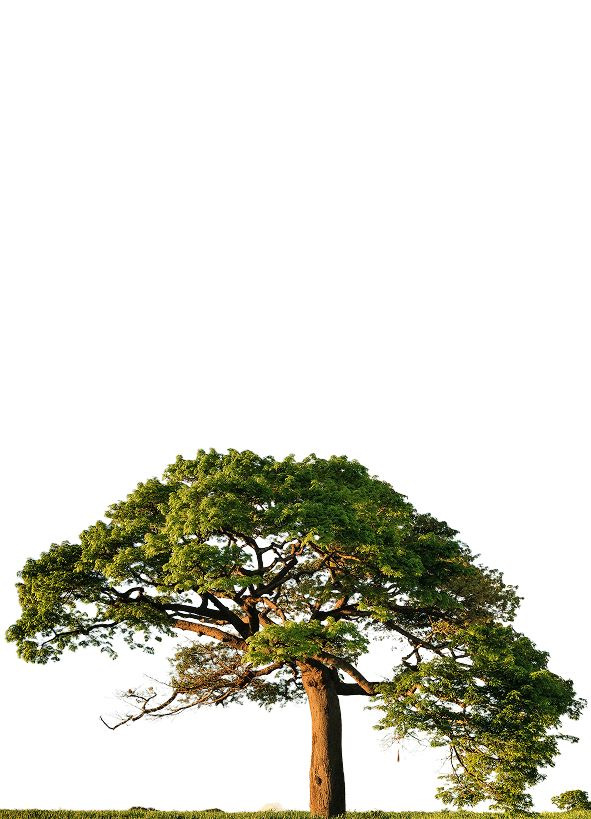
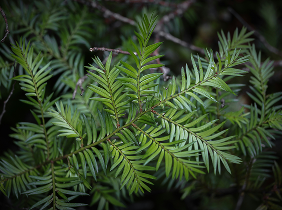
This tree can grow to 25 metres in height with a trunk over 1 metre in diameter. If the trunk is injured, it oozes resin from its bark. The top of the tree looks quite rounded. The seeds are widely dispersed by the kererū who are often referred to as ‘the gardeners of the sky’. Large seeds can pass through the bird and be ready for germination.
Miro, scientifically known as Pectinopitys ferruginea, is a dioecious evergreen conifer native to New Zealand, reaching heights of up to 25 meters. It is known for its dark green to bronze-green leaves and produces red to pinkish-red berry-like cones that are an important food source for native birds.
The miro will often have kererū (wood pigeon) grazing on their berries which are a red-to-purple colour with a soft edible pulp.
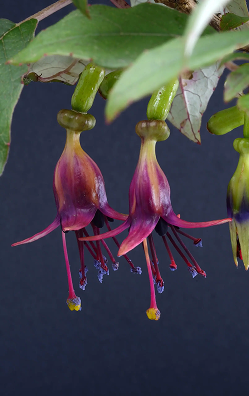
This tree can grow up to 12 metres in height with a trunk over 1 metre in diameter. The flowers which appear between August and December, are rich in nectar, and attract the honey eating birds. If you are visiting during the flowering period, look closely to find the tūī or korimako (bellbird) feeding. The berries are sweet and juicy and are a favourite of the kererū (wood pigeon).
Fuchsia excorticata, also known as tree fuchsia or kōtukutuku, is a native New Zealand tree that can grow up to 15 meters tall. It is recognized for its distinctive peeling bark and produces sweet, dark purple berries that were traditionally used by Māori for food and dye.
The plant's blooming flowers in September is a traditional indicator sign of the maramataka (Māori lunar calendar) in the North Island, as a sign to plant early spring crops such as kūmara.
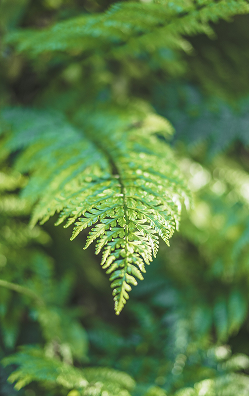
This fern is known to grow to heights of 10 metres or more. The crown is dense and mature fronds can be as much as 3 metres long and 1 m wide with a silver-white colouration on the undersides.
The silver tree fern is a species of medium-sized tree fern, endemic (not found naturally anywhere else) to New Zealand. It arrived relatively late in New Zealand’s history during the Pliocene epoch (around 5 – 1.8 million years ago). The silver is found only on the undersides of mature ponga fronds. The silvery-white undersides catch the moonlight, creating a pathway of luminous arrows to guide travelers from darkness to safety.
The silver fern is one of the most widely recognised symbols of New Zealand.[16][26] The first use of the silver fern as a symbol representing New Zealand was during the 1888–89 New Zealand Native football team tour of Britain, after which the symbol came to be used on dairy products exported from New Zealand to the United Kingdom.
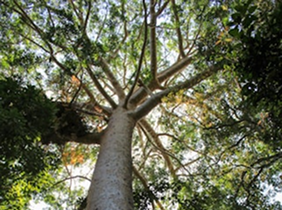
Kauri are among the world's mightiest trees, growing to over 50 m tall, with trunk girths up to 16 m. Kauri leaves are 3–7 centimetres long and 1 centimetre broad, tough and leathery in texture, with no midrib; they are arranged in opposite pairs.
Kauri, or Agathis australis, is a large coniferous tree native to New Zealand, known for its impressive height of up to 50 meters and longevity, living for over 2,000 years. These trees are significant in New Zealand's ecology and history, providing unique habitats and were heavily logged for their valuable timber and gum in the 19th and 20th centuries.
Kauri gum (fossilized resin) was once called “New Zealand amber” and was a huge export in the 19th century, used for varnish, jewelry, and even chewing gum.